DESIGN SHAPES HOW WE EXPERIENCE THE WORLD.


Home > Luxima Design Studio > Project
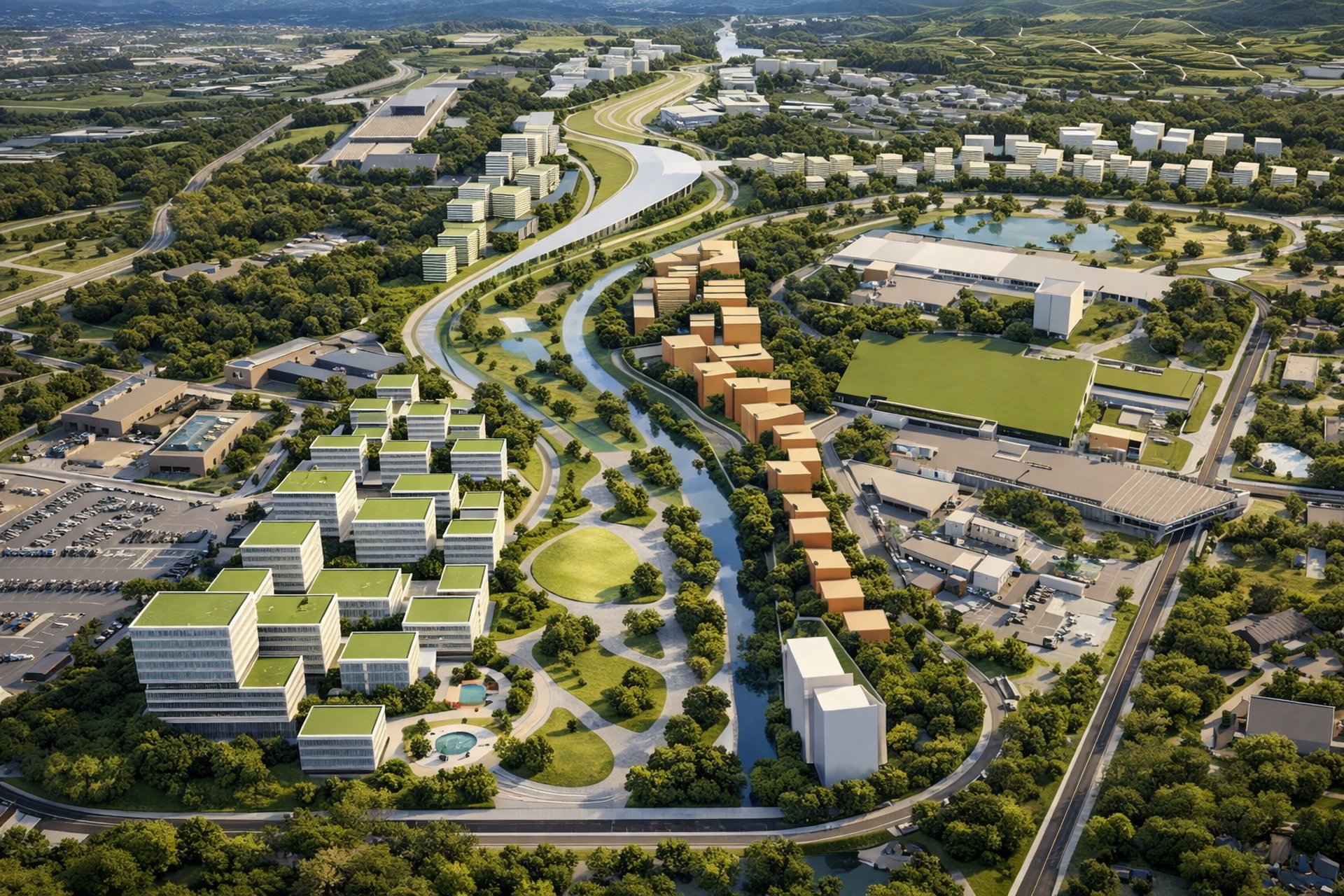
The Runway at YZD Competition
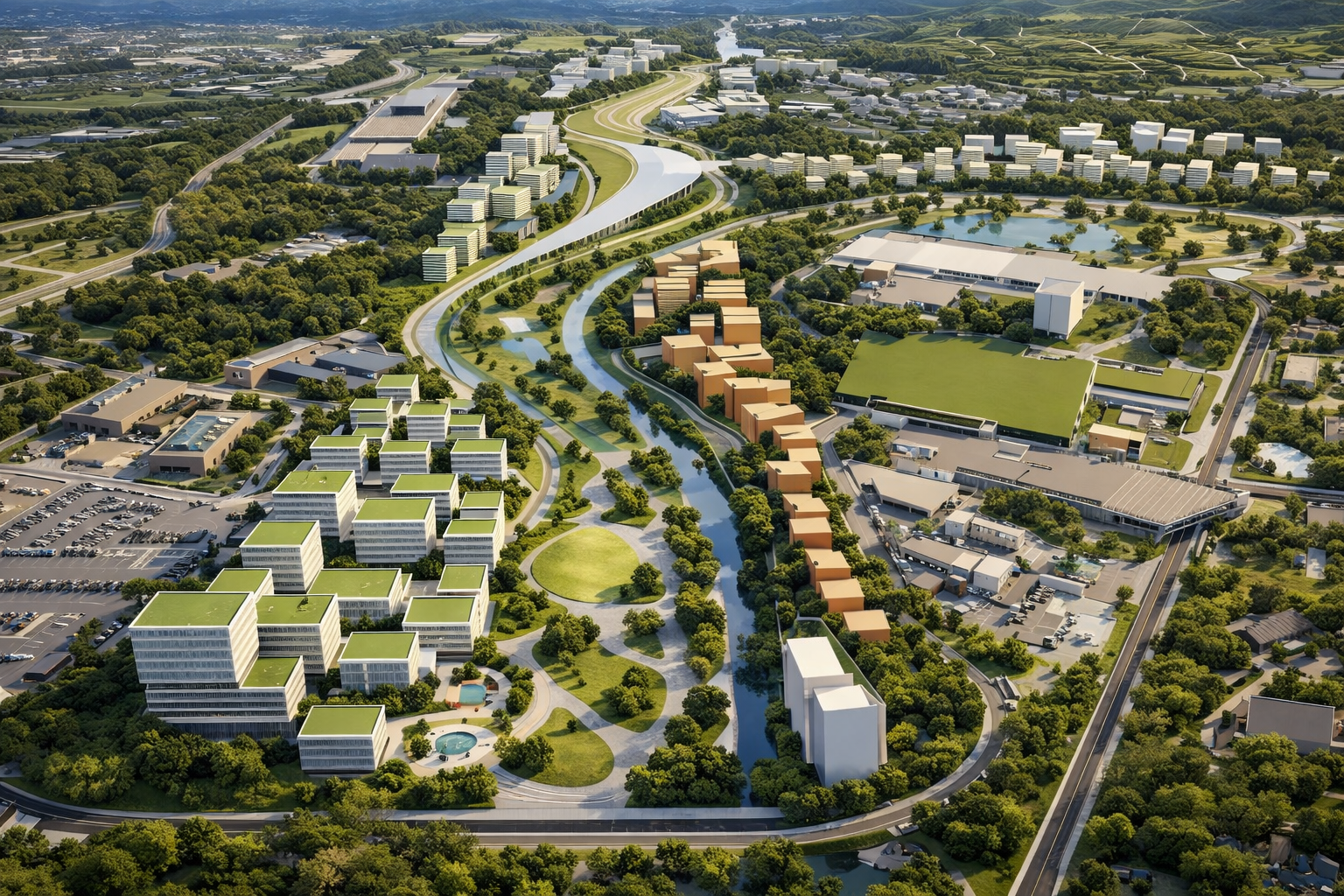
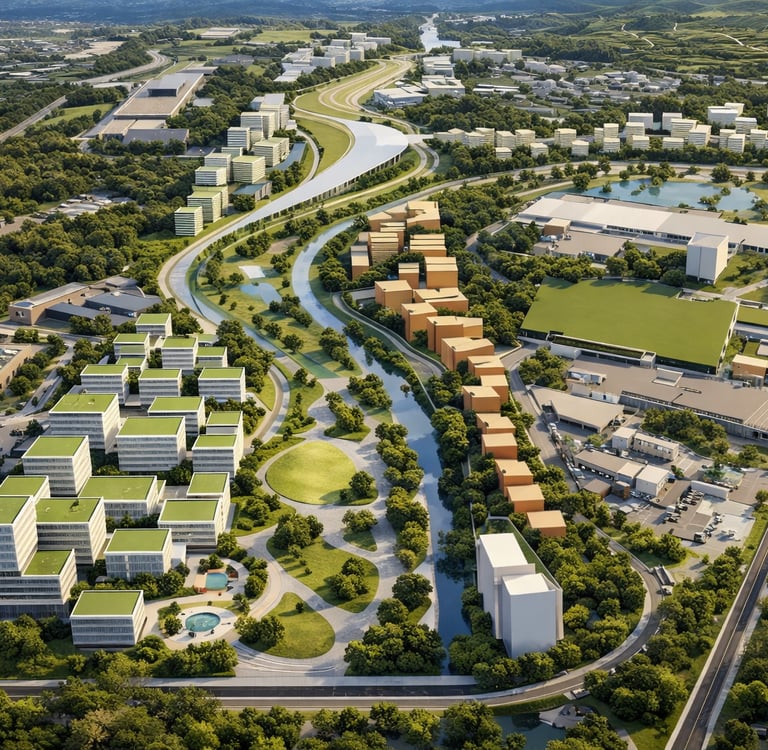
The Runway at YZD Competition
Urban Park Masterplan Architecture
Location: Toronto, Canada
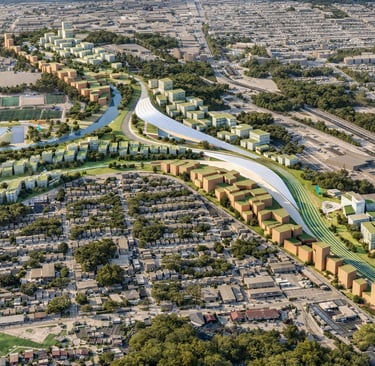
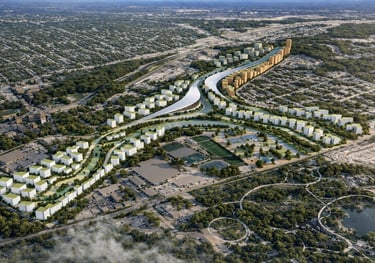
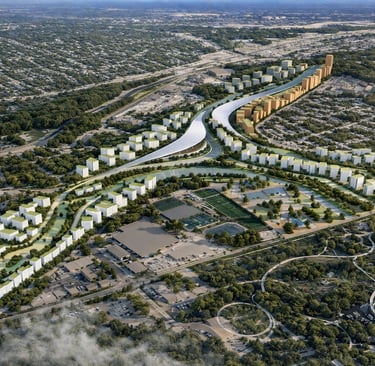
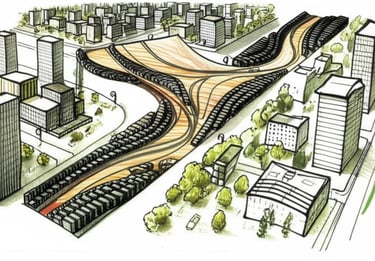
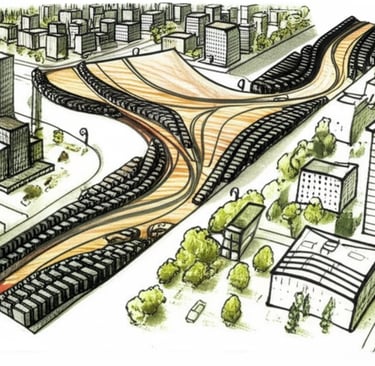
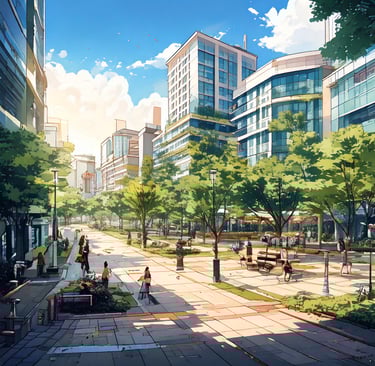
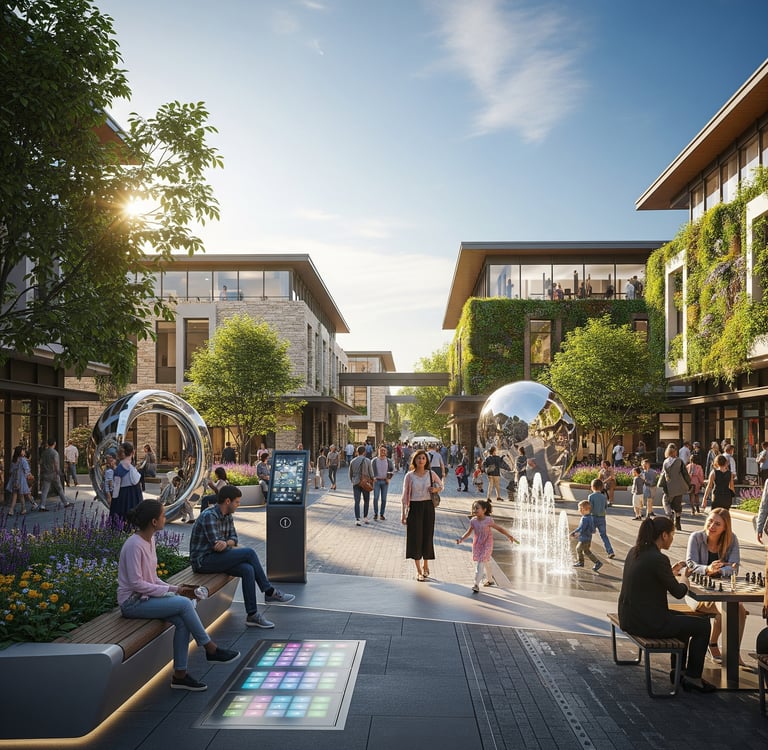
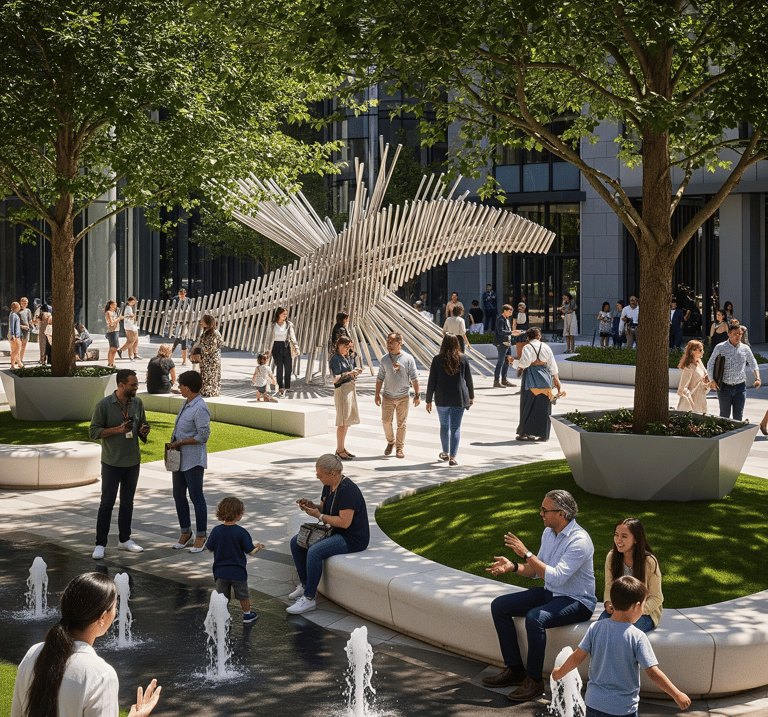
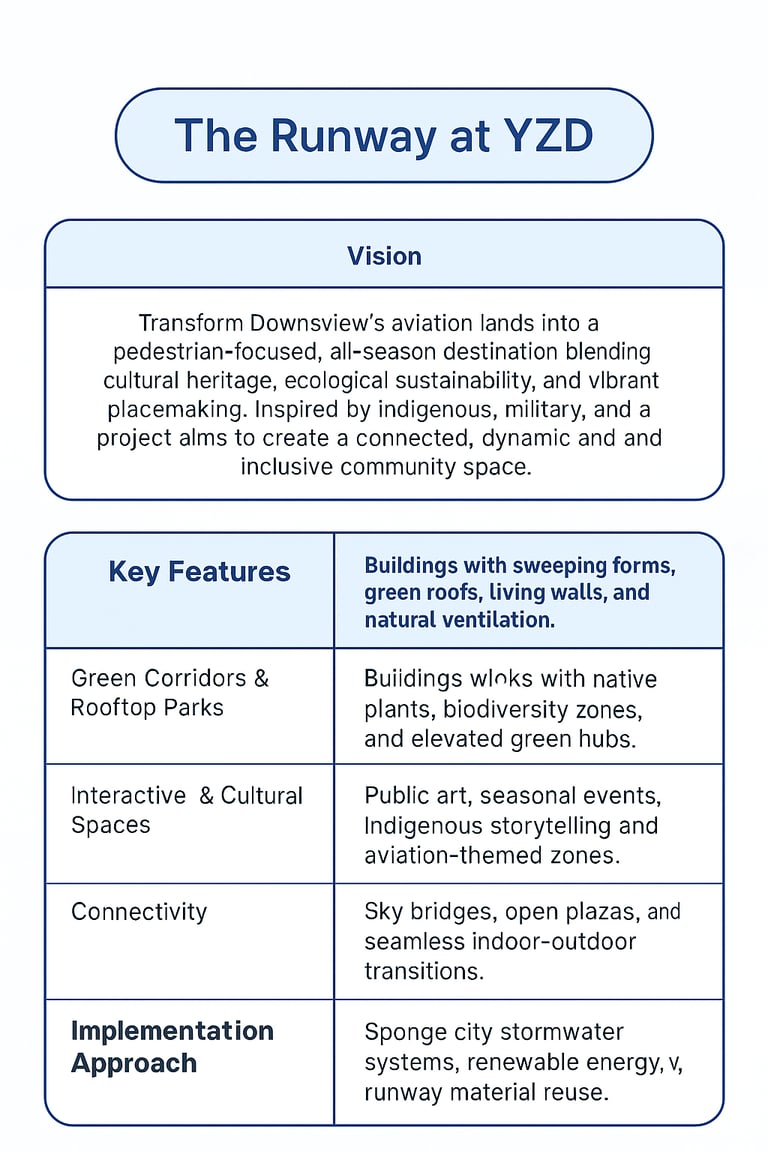
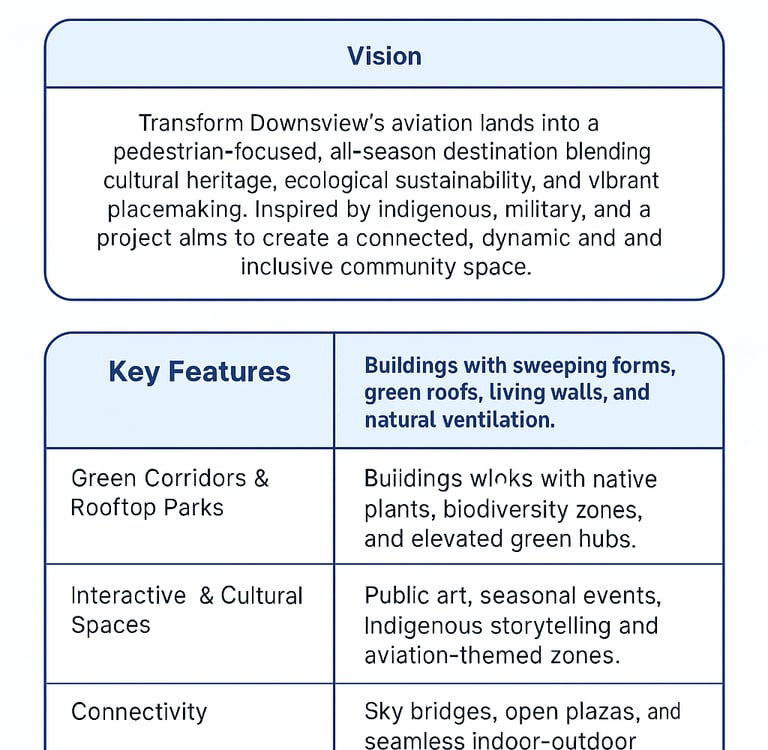
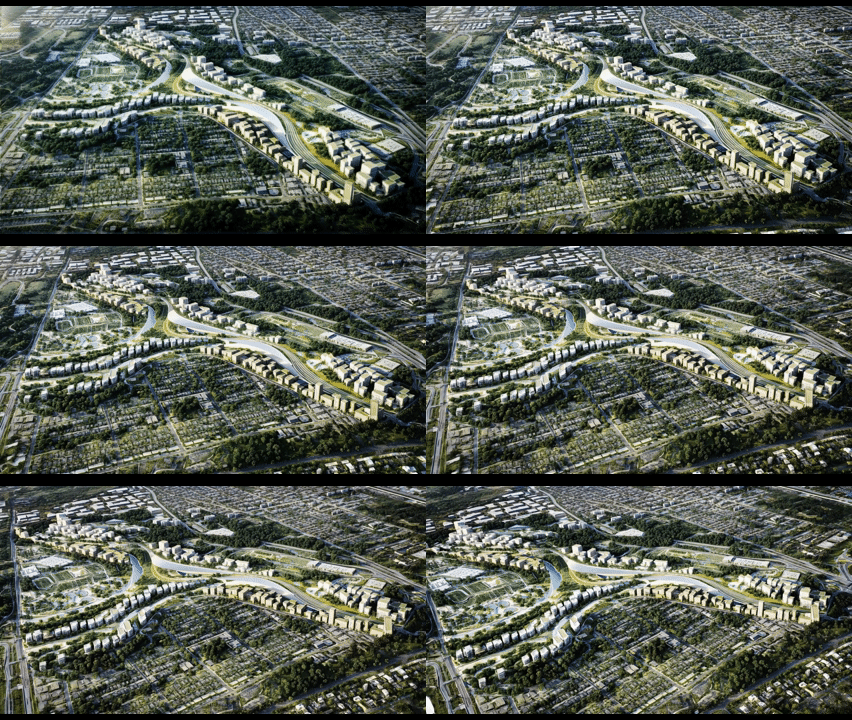
The Runway at YZD is envisioned as a landmark public space in Toronto, developed through a joint venture of A& Architects, MI Concept + Design, Seferian Design Group, and GroupGSA. The proposal blends cultural heritage, ecological sustainability, and vibrant placemaking to transform Downsview’s aviation lands into a pedestrian-focused, all-season destination. Drawing on Indigenous, military, and aviation history, the design integrates flexible event spaces, interactive art, and green corridors to foster community connection.
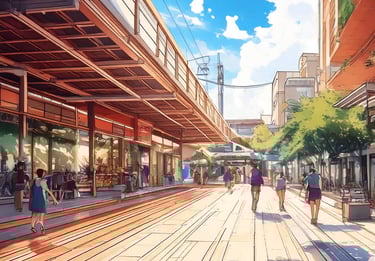
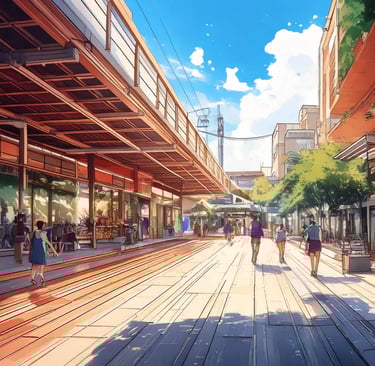
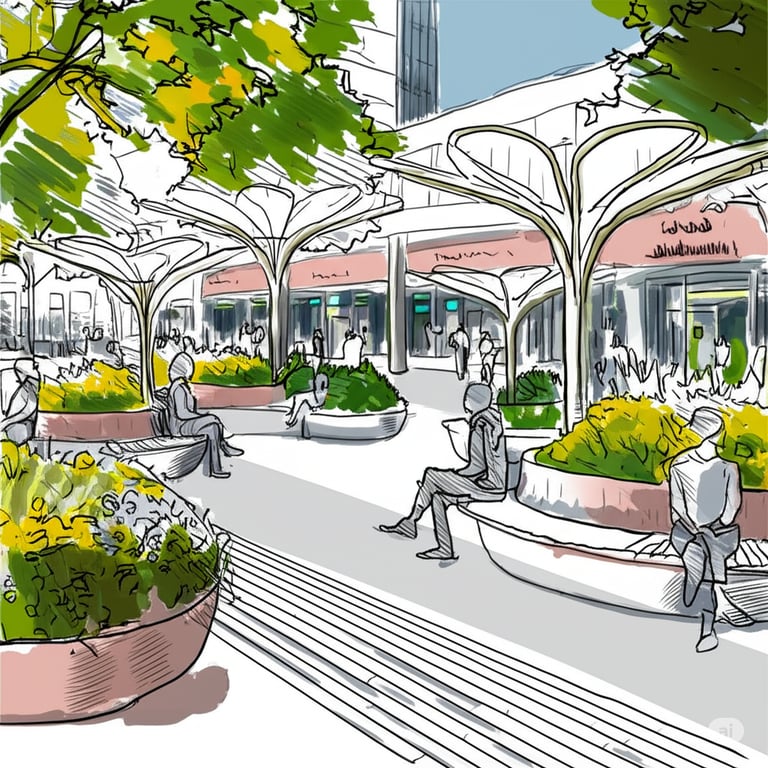
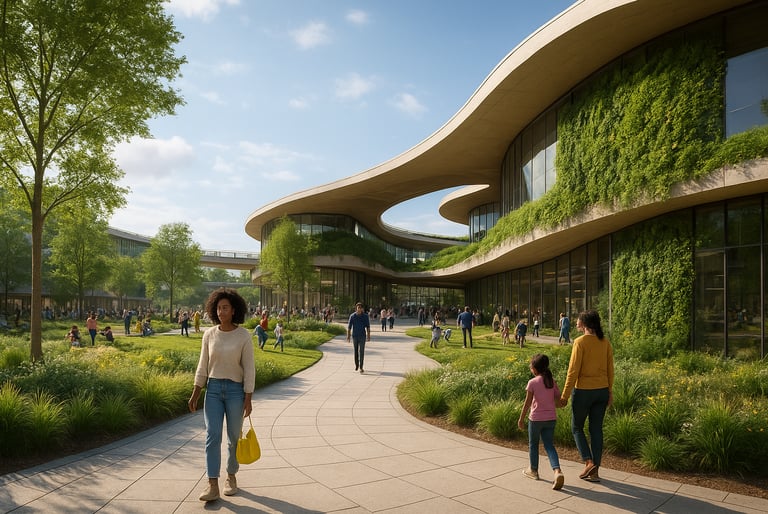
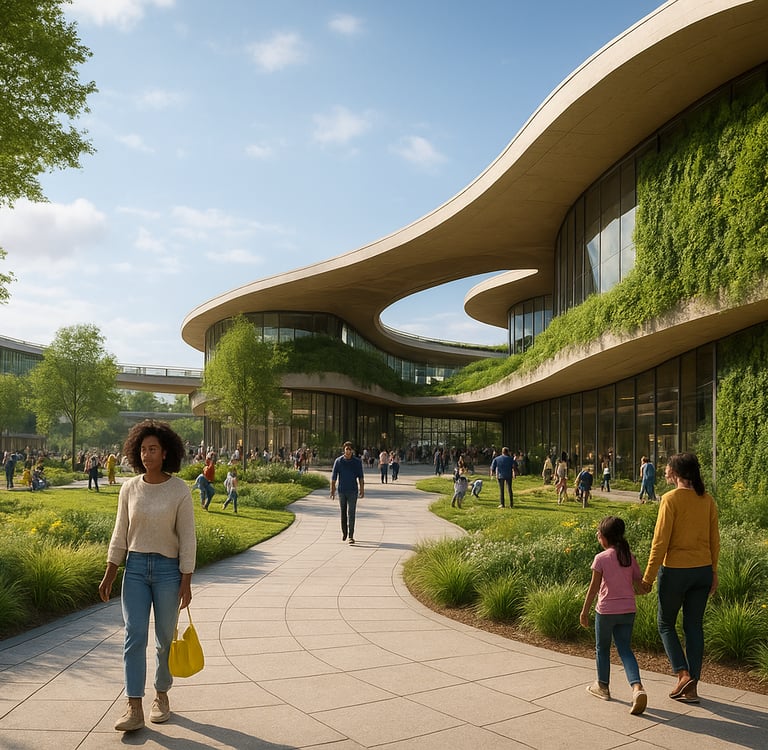
Architectural elements will feature aerodynamic forms, green roofs, living walls, and natural ventilation, reflecting flight and environmental stewardship. Rooftop gardens, sky parks, and biodiversity corridors will connect people with nature, while ground-level plazas, retail, and cultural spaces will seamlessly link indoor and outdoor life. Elevated “flight path” sky bridges will enhance connectivity and provide unique vantage points. Seasonal activation zones and even an underground city concept aim to ensure year-round engagement.
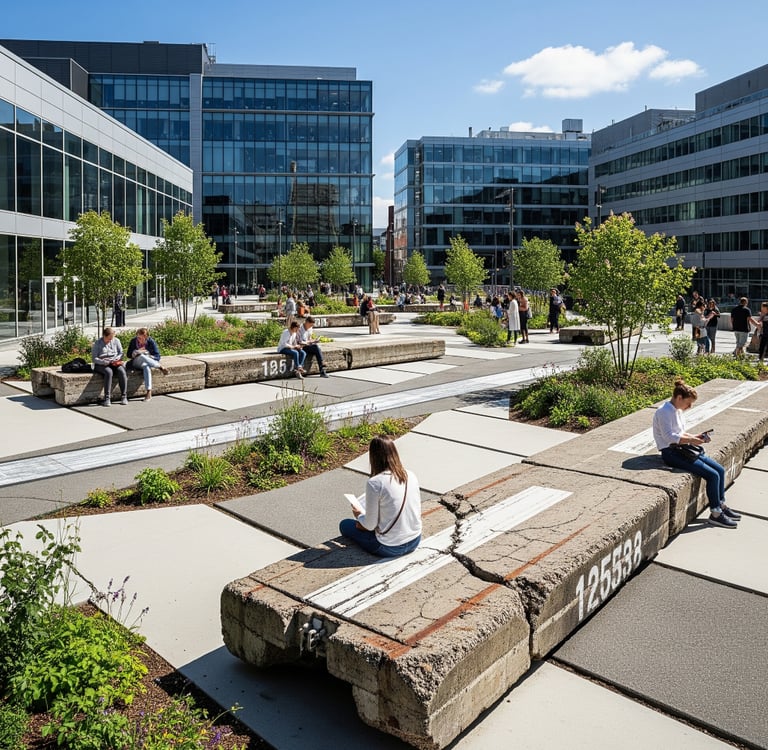
The approach emphasizes phased, adaptive implementation aligned with district growth, ongoing collaboration with Indigenous leaders and stakeholders, and a multi-source funding strategy. Sustainability is central through native planting, renewable energy, low-impact maintenance, and reuse of existing runway materials. Innovative ideas include “sponge city” stormwater systems, Indigenous-led landscape restoration, interactive renewable energy installations, and climate-adaptive pop-up spaces. The vision positions The Runway as a model for responsible, community-driven development, balancing heritage and innovation for lasting impact.
key Site Elements:
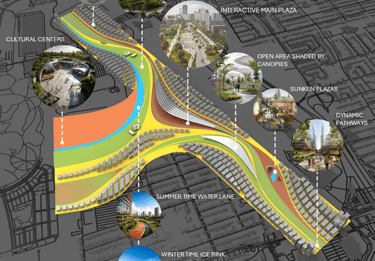
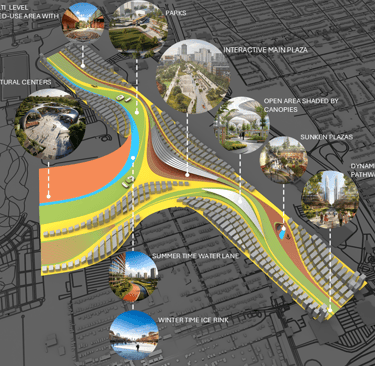
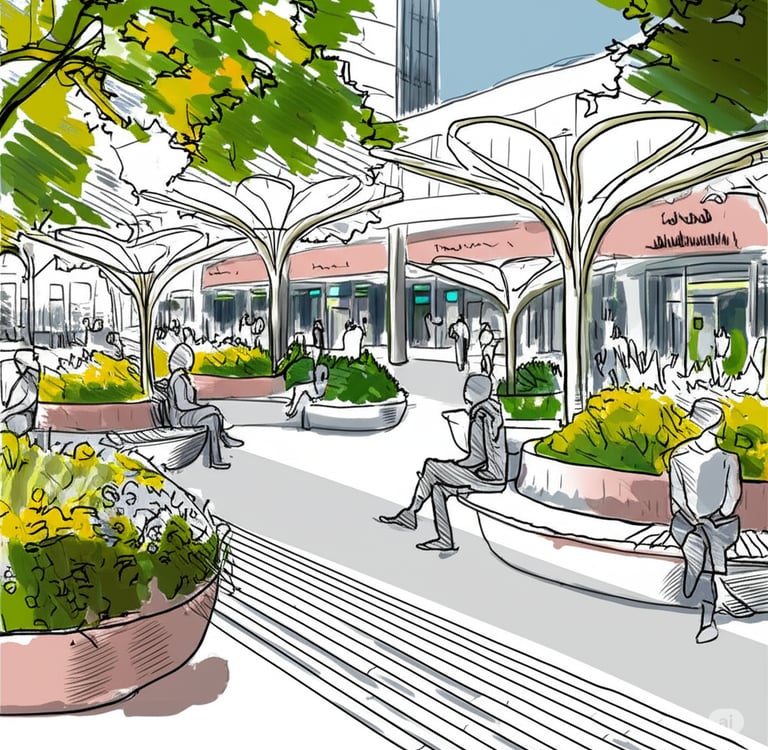
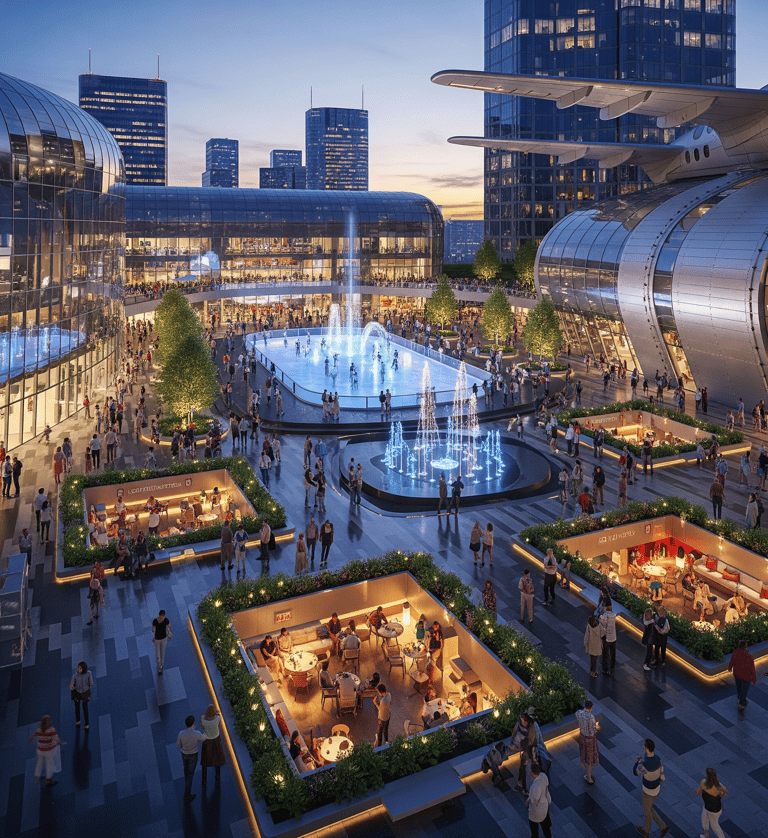
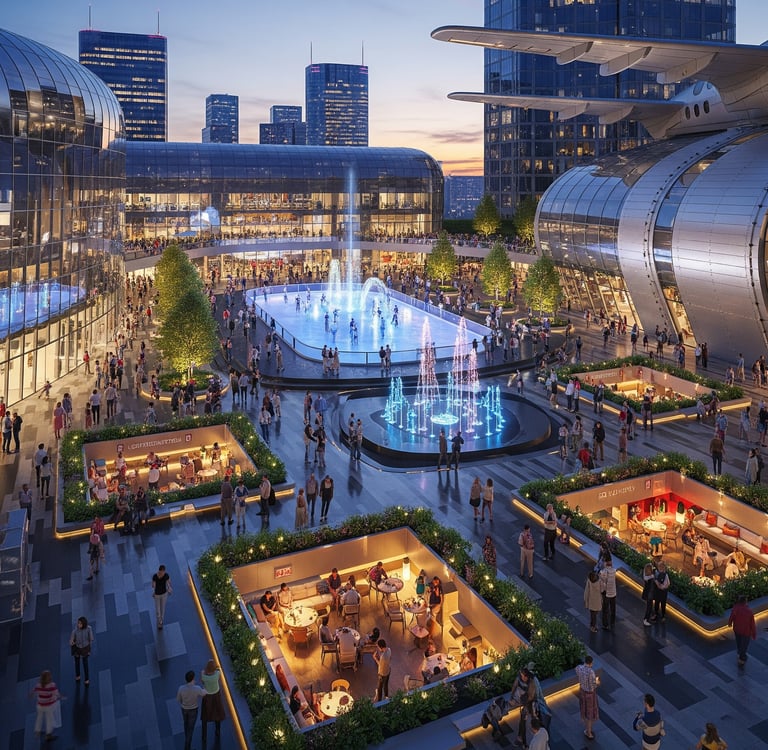
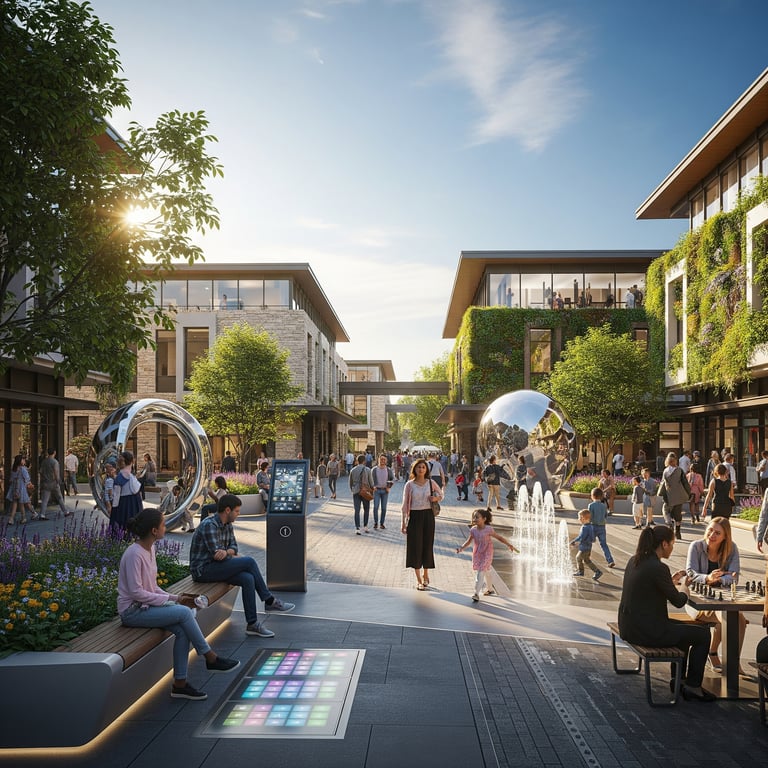
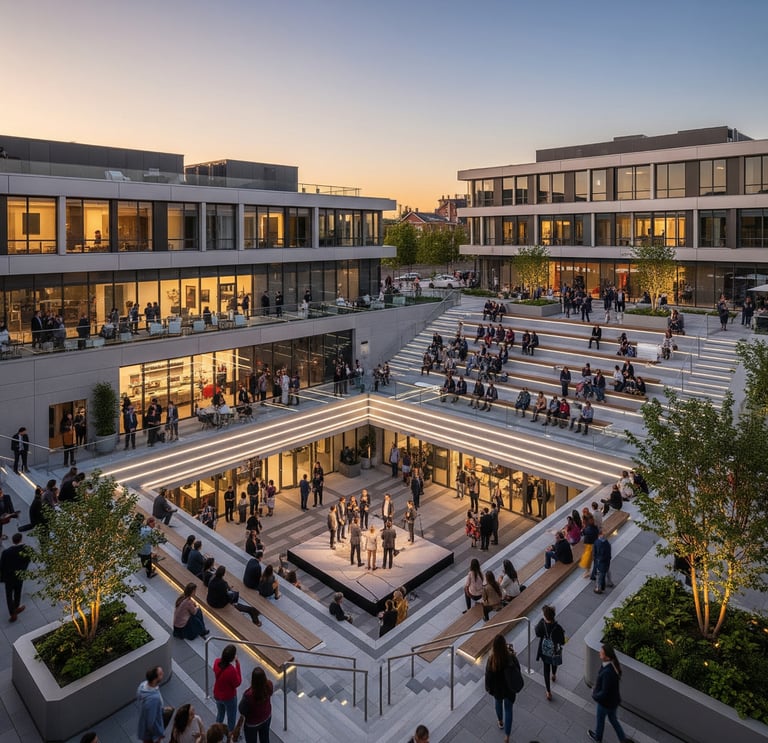
Interactive Main Plaza: A central hub for gatherings and public events.
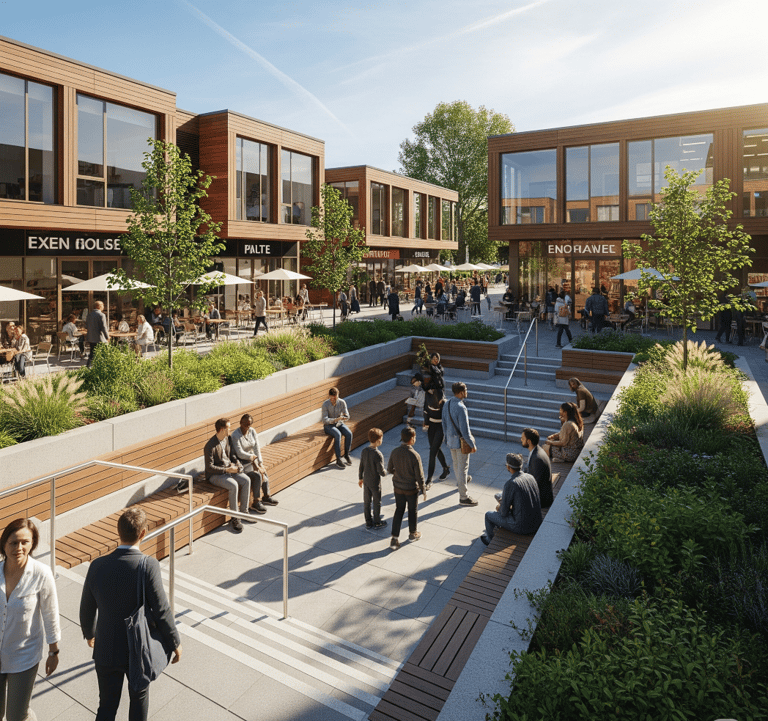
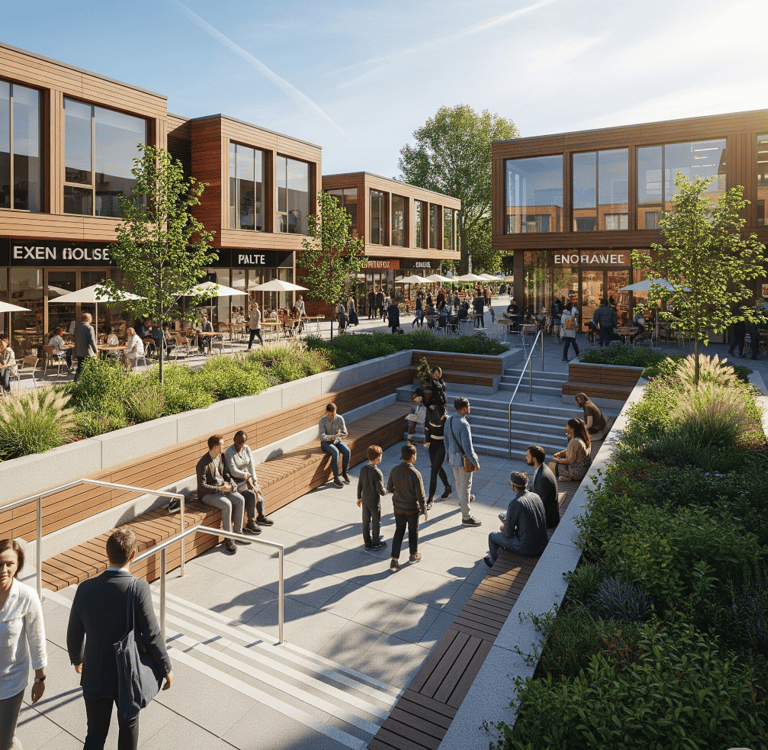
Multi-Level Mixed-Use Area: This area features diverse building facades and is designed for functionality and architectural interest.
Parks: These spaces can include sport fields, fitness stations, and art installations.
Dynamic Pathways: These are designed to encourage pedestrian and cyclist activity.
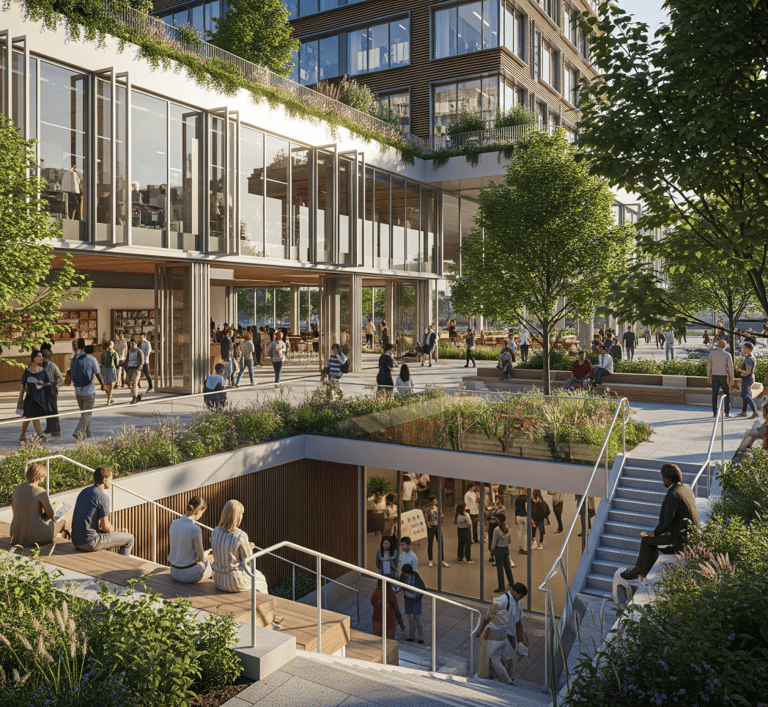
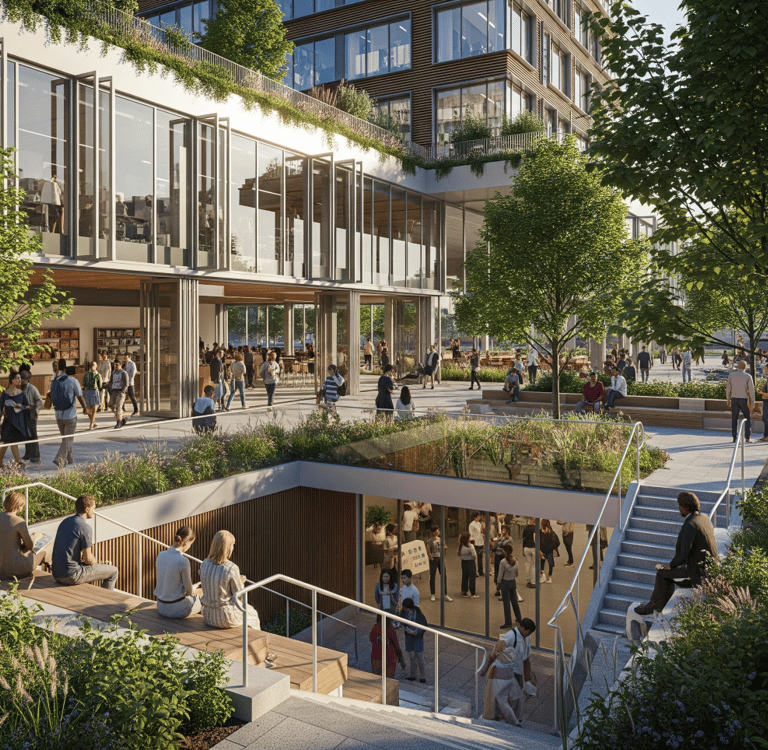
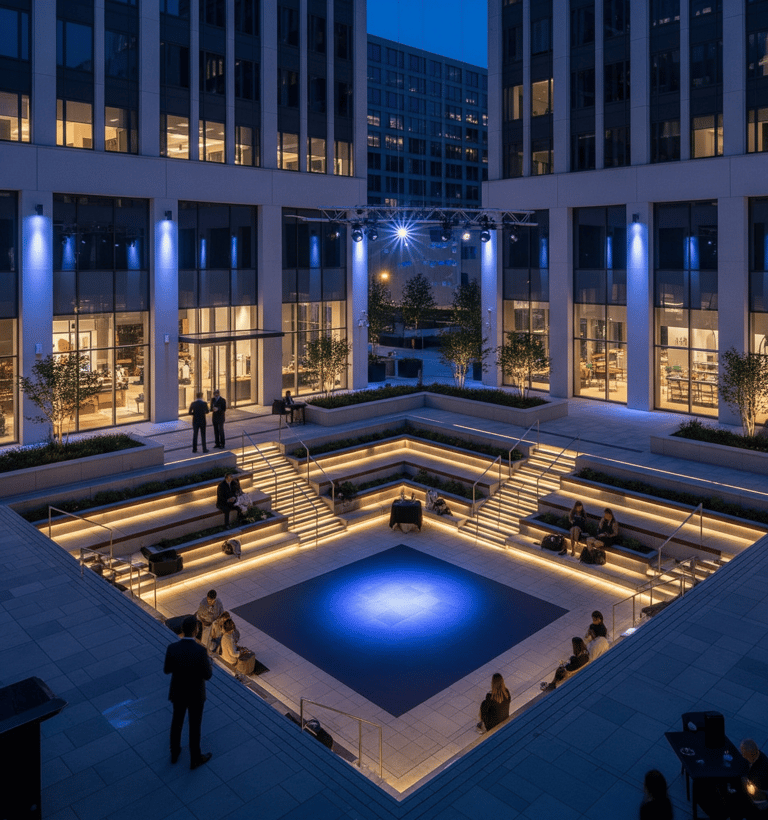
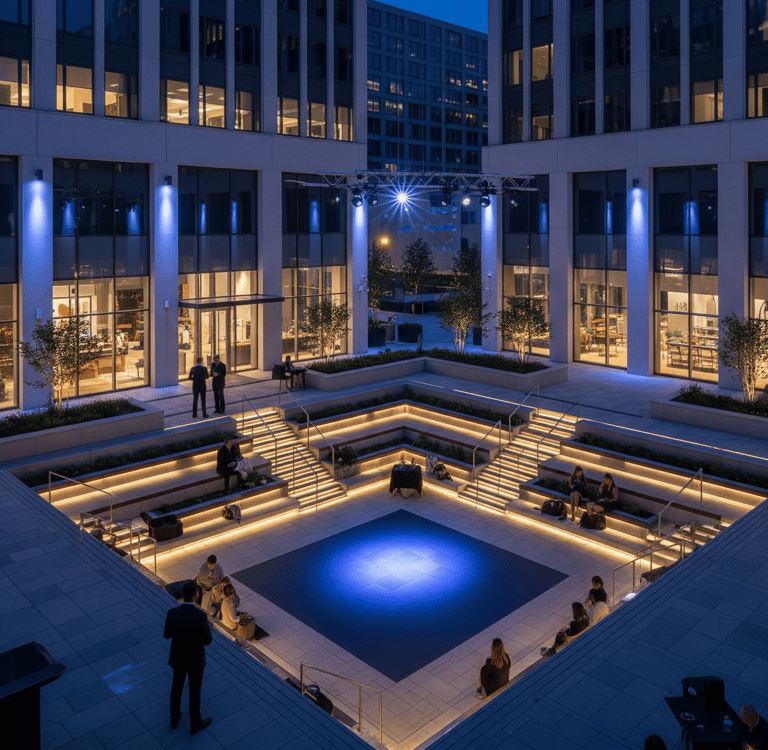
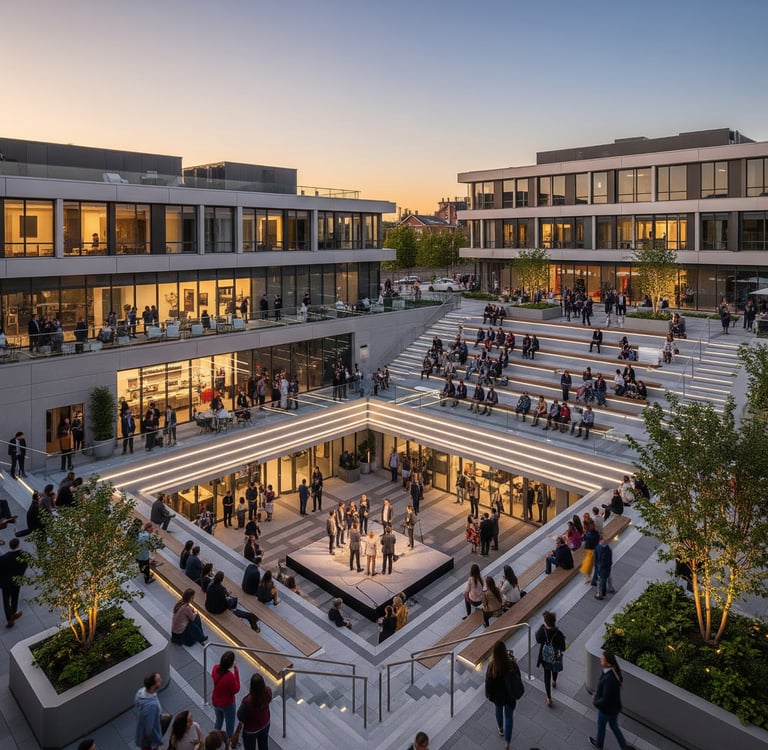
Sunken Plazas: These multi-level spaces can be transformed into stages with artistic lighting after sunset.
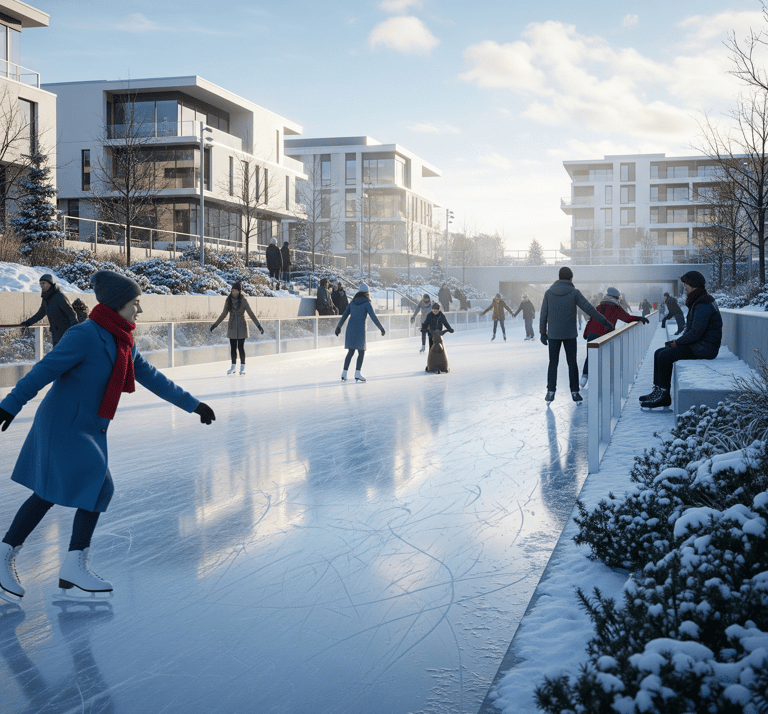
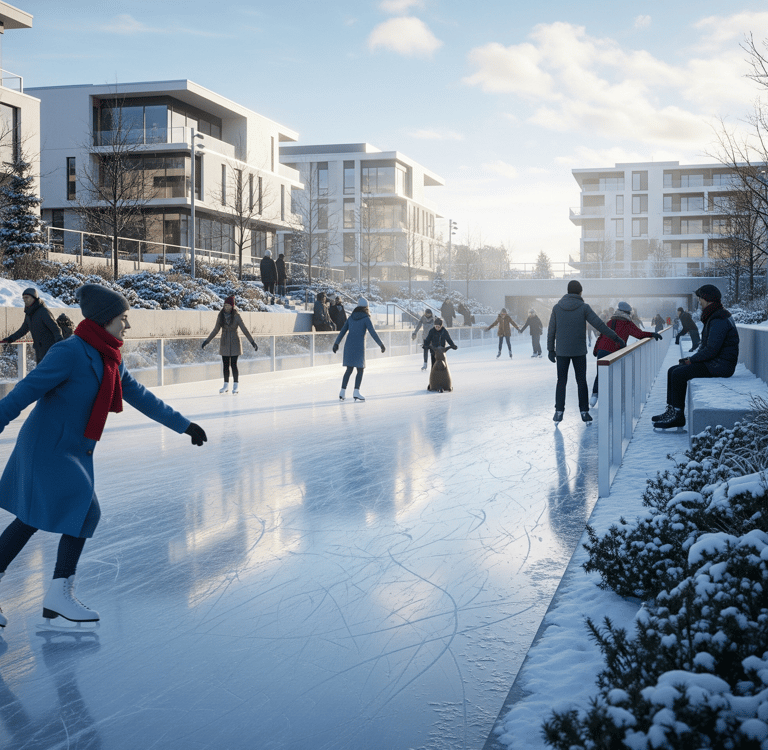
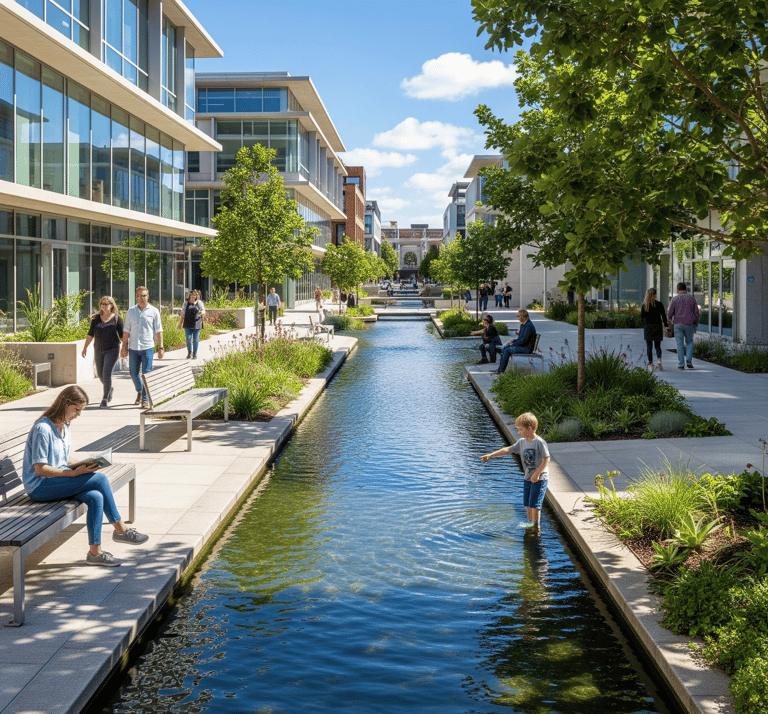
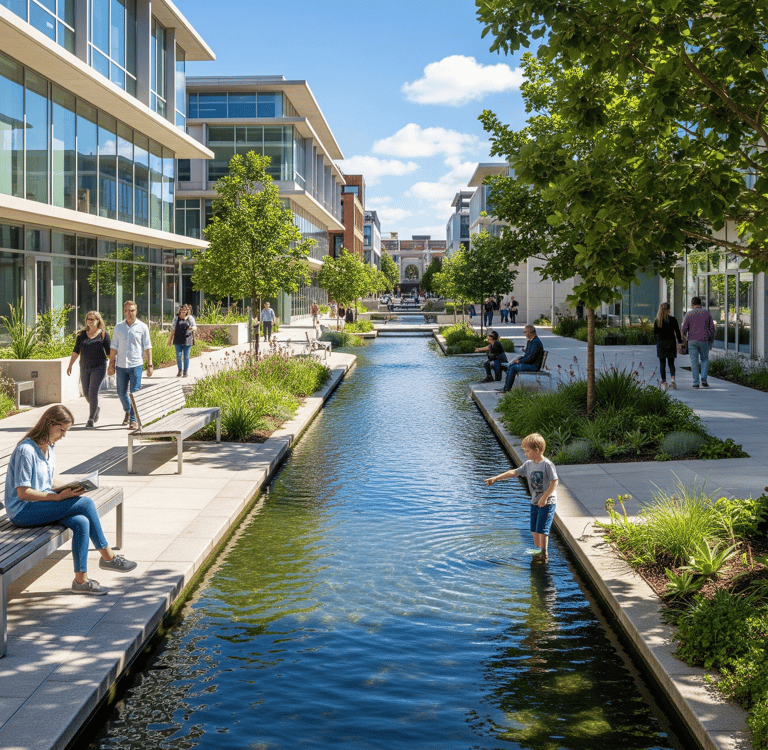
Water Lane / Winter Ice Rink: A seasonal feature that can be a water lane in the summer and an ice rink in the winter.
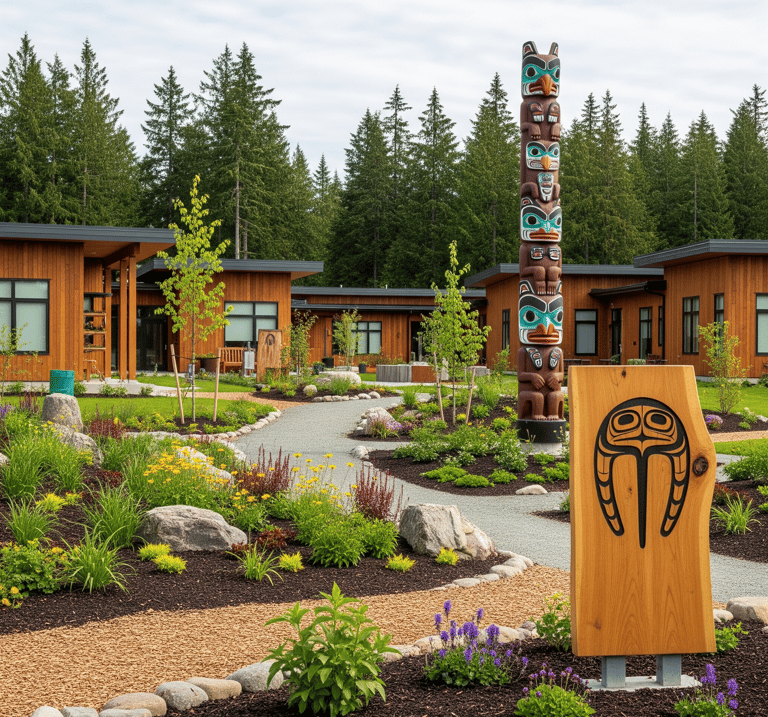
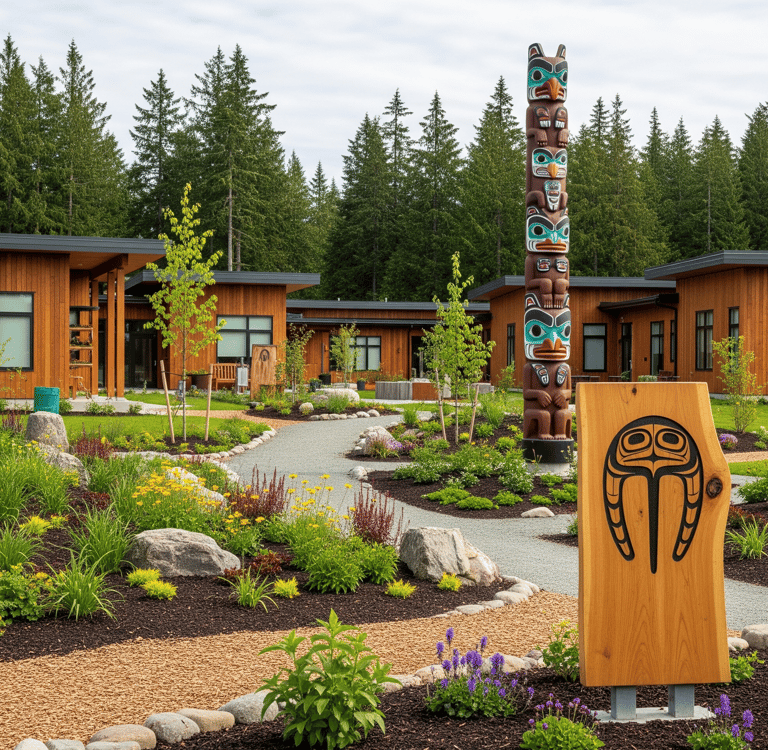
Indigenous-Led Landscape: Micro-ecosystems that use native plants and traditional land stewardship methods.
Rooftop Gardens and Sky Parks: Elevated green spaces on buildings that serve as community hubs and enhance biodiversity.
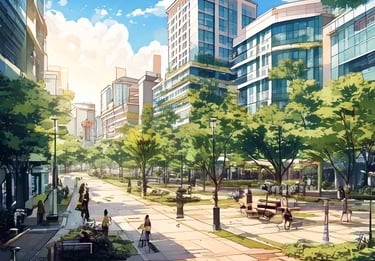
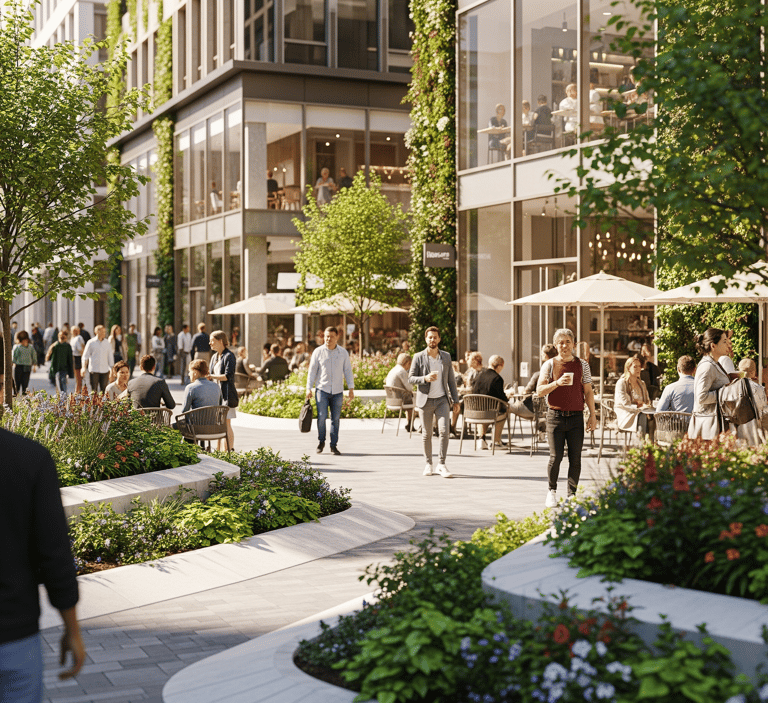
Community-Accessible Interiors: Ground floors with retail, cafes, and workspaces that open directly onto The Runway.
Elevated “Flight Path” Sky Bridges: Publicly accessible bridges between buildings that symbolize flight and offer unique views.
Interactive Renewable Energy Installations: Features like kinetic energy playgrounds and digital displays that showcase on-site energy generation.
Seasonal Spaces for Climate-Adaptive Pop-Ups: These "plug-and-play" spaces can host events like winter warming huts or summer cooling mist stations.
Biodiversity “Stepping Stones”: Habitat pockets with pollinator gardens, insect hotels, birdhouses, and bat boxes to create a connected corridor for urban fauna.
Sponge City Landscape: A network of bioswales, permeable surfaces, and stormwater retention basins for water management.
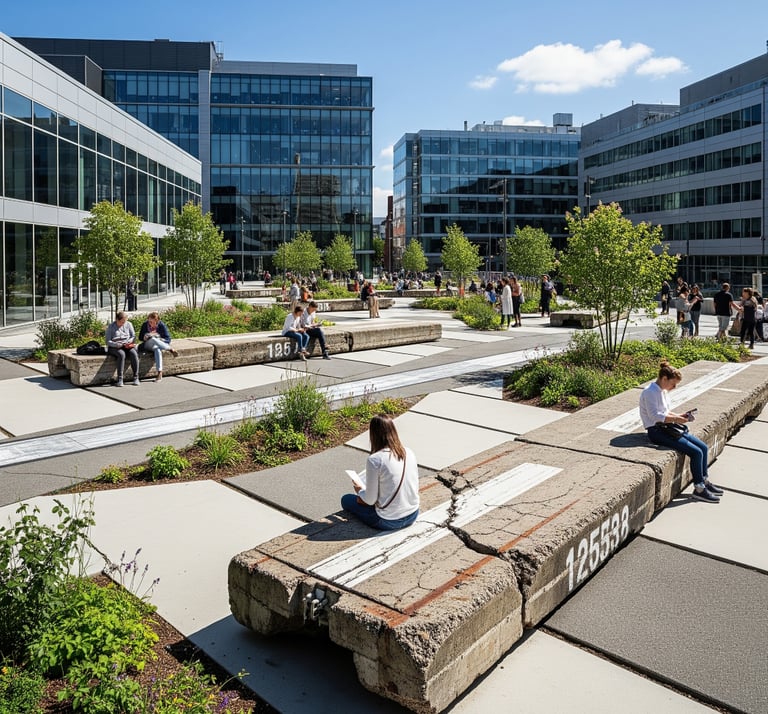
Eco-Reuse of Existing Runway Material: Repurposing segments of the old runway into seating, paving, or art installations.
Begin a Design Inquiry.
Transforming ideas into breathtaking architectural realities.
contact:
Start an Inquiry:
© 2024. Sama Karim Design Studios. All Rights Reserved.